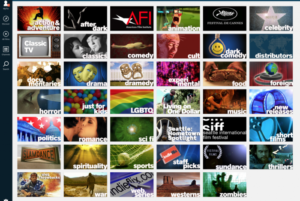
Interactive radio apps are at the forefront of a media revolution, reshaping how we engage with audio content. These innovative platforms enable users to participate actively in their listening experiences, blending traditional radio with modern technology.
The rise of interactive radio apps has been fueled by advancements in telecommunications and digital interfaces, paving the way for robust user engagement. From live interactions to personalized playlists, these apps are redefining the radio landscape, offering a dynamic alternative to conventional broadcasting.
Overview of Interactive Radio Apps
Interactive radio apps are transforming the way audiences consume audio content, blending traditional radio broadcasts with modern technology. These apps provide users with the ability to engage with content in real-time, fostering a more dynamic listening experience. The significance of interactive radio apps lies in their adaptability and accessibility, allowing users to tailor their listening preferences and engage with content on multiple levels.Technological advancements such as high-speed internet, mobile devices, and cloud computing have paved the way for these apps to thrive.
Enhanced connectivity and robust data management have allowed seamless streaming and interaction, enabling users to participate in polls, request songs, or even communicate with hosts directly. Some popular interactive radio apps currently making waves in the market include TuneIn Radio, iHeartRadio, and Radio Garden, each offering unique features that cater to diverse audiences.
Features of Interactive Radio Apps
The key features that make interactive radio apps engaging for users are multi-functionality and real-time interaction. Users can enjoy live streaming, access on-demand content, and participate in live chats or polls, all from a single platform. This level of engagement keeps listeners invested, transforming passive consumption into an interactive experience.When comparing functionalities, apps like Spotify and Apple Music offer unique offerings such as curated playlists and personalized recommendations, while services like Mixcloud emphasize user-generated content.
The user interface design plays a critical role in enhancing user experience. A clean, intuitive layout allows users to navigate effortlessly, making it easy to discover new content or revisit favorites.
Telecommunications Impact on Interactive Radio Apps
Telecommunications infrastructure is fundamental to the functioning of interactive radio apps. High-speed internet and mobile networks enable smooth streaming and interaction, ensuring that users have a seamless experience regardless of their location. However, challenges exist, particularly in areas with limited connectivity. Latency issues and buffering can hinder user engagement, leading to frustration.Innovations in telecommunications, such as the rollout of 5G networks, have significantly improved app performance.
With faster speeds and reduced latency, users can enjoy high-quality audio without interruptions, making interactive features more effective and enjoyable.
Role of Libraries in Promoting Interactive Radio Apps
Libraries are stepping up to promote interactive radio apps as part of their services, recognizing the potential for community engagement. Initiatives include organizing workshops and providing access to equipment for recording and broadcasting. Libraries serve as hubs of learning, helping patrons navigate the digital landscape.Resources offered by libraries to educate users on interactive radio apps often include guides, online tutorials, and access to software.
Some libraries have also implemented successful case studies where interactive radio apps have been used to engage communities, fostering a sense of belonging and participation.
Music and Radio Integration in Interactive Apps

Interactive radio apps enhance the music listening experience by allowing users to explore curated playlists, discover new artists, and even attend virtual concerts. Partnerships between these apps and music labels or artists provide exclusive content, such as interviews and behind-the-scenes access, enriching the overall experience for listeners.Monetization strategies employed by interactive radio apps through music streaming include subscription models, advertising, and partnerships with artists for exclusive content releases.
This approach not only supports the apps financially but also promotes artist visibility and fan interaction.
Interactive Radio Apps in Movies and Television
Interactive radio apps have emerged as effective promotional tools for movies and television shows. By integrating audio content with visual media, these apps create an immersive experience that captivates audiences. Cross-platform integration allows users to engage with their favorite shows through interactive radio content, enhancing overall viewing experiences.User engagement metrics for interactive radio apps associated with entertainment content demonstrate significant interaction, often measured by listener feedback, participation in polls, and social media sharing.
This interconnectedness between audio and visual formats enriches the user experience and fosters loyalty.
Future Trends in Interactive Radio Apps
The future landscape of interactive radio apps is likely to be shaped by emerging trends such as AI-driven personalization and augmented reality. Predictive analytics can enhance user experience by tailoring content to individual preferences, while augmented reality can create immersive listening environments that engage multiple senses.Technological innovations, such as blockchain for content distribution and improved data security measures, are also on the horizon.
Developers focusing on these emerging opportunities will find a growing market for interactive features that enhance user engagement and satisfaction within the app environment.
Last Point
In summary, interactive radio apps not only enhance our listening habits but also open new avenues for content creators and consumers alike. As technology continues to evolve, the future of these apps looks promising, hinting at even more innovative features and broader accessibility in the years to come.
Essential Questionnaire
What are interactive radio apps?
Interactive radio apps are platforms that allow users to engage with radio content through features such as live chat, polls, and personalized playlists.
How do interactive radio apps enhance user experience?
They provide a more immersive experience by allowing listeners to interact with content creators and participate in real-time discussions.
Can I listen to music through interactive radio apps?
Yes, many interactive radio apps integrate music streaming features, offering a seamless blend of talk and music.
Are interactive radio apps available on all devices?
Most interactive radio apps are available on smartphones, tablets, and desktops, making them accessible across various platforms.
What are the monetization strategies used by interactive radio apps?
They often use subscription models, advertisements, and partnerships with music labels to generate revenue.